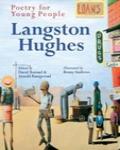
The Poetry of Langston Hughes
藍斯頓休斯是美國中上最偉大的詩人之一。就像其他許許多多的作家,他的寫作題材來自於他的生活經驗,即他身邊的人、事、地。雖然休斯對來自於社會各階層的人都很友善,如:富人、中產階級及貧窮人,而這些所謂的低下階層的人們對他的詩作影響深遠 。休斯將這個措辭視為某種類型的讚賞,他欣賞這些人,因為「他們毫無疑問的接受美麗就是己身的想法。」您認為這句話代表了什麼意義?
也許這句話意指低下階層的人們能夠領會存在他們生活中的美好事物。休斯熱愛黑人音樂尤其是表達悲傷主題的藍調音樂。他在芝加哥、紐約、堪薩斯市及華盛頓特區內的俱樂部聆聽這 種音樂。他聽的歌是講述人們決心征服艱難。在「稱為藍調的歌曲」(Songs Called the Blues,1941)中,休斯形容這類音樂是「深受打擊卻打不垮的黑人唱腔」;1958年,在爵士及藍調音樂家(如:查爾斯明格斯Charles Mingus)的伴奏下,休斯將他的詩作錄製出版 。您曾聽過隨音樂吟誦的詩作嗎?
藍斯頓休斯藉由創作作品來表達對政治及不公的感受。他到他國旅行以學習他人是如何處理種族議題。儘管他是非常自由派的,休斯仍為持有保守觀點的非裔美人說話。例如1941年的「布克的敘事歌謠」(Ballad of Booker T.)即是休斯為前奴隸及保守的平等提倡者布克華盛頓 (Booker T. Washington) 所作的詩。這首詩將焦點放在華盛頓為爭取種族和平所做出的努力,而未對其做出任何批評:
Sometimes he had
compromise in his talk--
for a man must crawl
before he can walk
and in Alabama in '85
a joker was lucky
to be alive.
休斯以不得不「妥協」來解釋華盛頓的立場。為達目的,您是否曾妥協或改變您的觀點過?
Langston Hughes is one of America's greatest poets. Like so many writers, he wrote about what he knew -- the people, places and events around him. Although Hughes was friendly with people from all walks of life, the rich, the middle class and the poor, it was the people he called the low-down folks who had the greatest influence on his poetry. Hughes used this expression as a form of praise. He admired these people because they accept what beauty is their own without question. What do you think this means?
Perhaps the phrase means that the low-down folks appreciated the beauty that existed in their lives. Hughes loved the music of his people, especially the blues, songs that express sad themes. He heard this music in clubs in Chicago, New York, Kansas City and Washington, D.C. The songs he heard were about people who were determined to overcome hardships. In Songs Called the Blues (1941), Hughes said this music was sung by black, beaten but unbeatable throats. In 1958, Hughes recorded his poetry to the accompaniment of the music of jazz and blues artists such as Charles Mingus. Have you ever heard poetry recited to music?
Langston Hughes believed in using his art to get across his feelings about politics and injustice. He traveled to other countries to learn how they dealt with racial issues. Despite his own very liberal beliefs, Hughes defended African American activists who held more conservative views. For example, in the 1941 poem Ballad of Booker T., Hughes defends Booker T. Washington, a former slave and more conservative advocate for equality. Rather than criticize him, the poet focused on Washington's strategy to gain racial equality:
Sometimes he had
compromise in his talk--
for a man must crawl
before he can walk
and in Alabama in '85
a joker was lucky
to be alive.
Hughes explained Washington's position by saying he had to compromise. Have you ever had to compromise, or change your point of view, to get what you wanted?
圖書目錄
- Advertisement For The Waldorf-Astoria
- April Rain Song
- As I Grew Older
- Bad Morning
- Children's Rhymes
- Cross
- Cultural Exchange
- Sitting on their wide verandas,
- Daybreak in Alabama
- Democracy
- Dinner Guest: Me
- Dream Deferred
- Dream Variations
- Dreams
- Ennui
- Freedoms Plow
- Down into the earth went the plow
- And silently too for granted
- Great thoughts in their deepest hearts
- May its branches spread and shelter grow
- Freedom's Plow
- I, Too
- I, Too, Sing America
- Jazzonia
- Juke Box Love Song
- Justice
- Let America be America Again
- In every brick and stone, in every furrow turned
- Life Is Fine
- Love Song for Lucinda
- Madam and Her Madam
- Madam and the Phone Bill
- Merry-Go-Round
- Minstrel Man
- Mother to Son
- My People
- Negro Speaks of Rivers
- Night Funeral in Harlem
- That poor boy's
- Oppression
- Po' Boy Blues
- Problems
- Quiet Girl
- Sea Calm
- Still Here
- The Blues
- The Dream Keeper
- The Negro Mother
- The Negro Speaks Of Rivers
- The Weary Blues
- Theme for English B
- Wake
- Walkers with the Dawn
- Will V-Day Be Me-Day Too?
- 黑人
- 黑人談河
- 短暫的愛情
- 愛的原因